




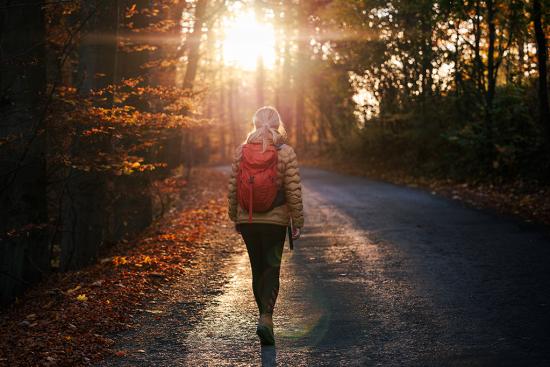
When we think about spending time outside, it’s easy for many of us to think about enjoying spring or summer days with plenty of sunshine and warmth. But in the fall or winter, it’s often cold, raining or snowing. Less daylight before and after work can make it difficult to be outside as much as we want to. How can we get the benefits of nature when the seasons change?
In those months, your practice of ecotherapy may need to change depending on your comfort with cooler weather. I enjoy fall but don’t tolerate cold and snow very well, so my connection to nature looks very different in the winter. For me, winter means shorter moments in nature, appreciating stillness and making time to enjoy sunshine when it appears.
Cooler, darker days can also naturally shift us more toward contemplation and reflection. I led an ecotherapy group a few years ago and learned how changes in nature can often reflect the changes we experience in our own lives.
As we move into cooler weather, consider the transitions that have taken place in your life recently. What has been a difficult adjustment? What changes are you grateful for?
If you’re interested in learning more about ecotherapy and the themes nature shows us during fall and winter, join me on November 12 at 11 a.m. for a 30-minute webinar titled “Restore and Renew: Introduction to Ecotherapy.” Learn more and sign up here in Link to Health.

 Facebook
 Twitter
 Email
Email