




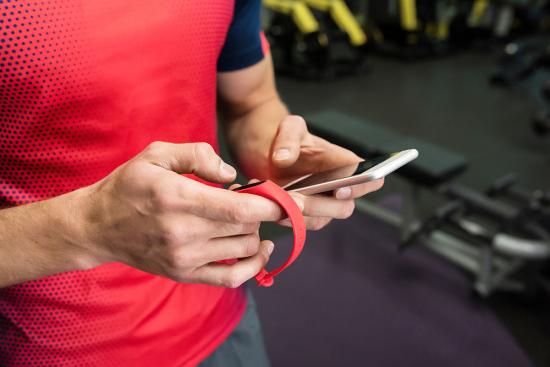
Choosing an activity tracker can feel overwhelming; there are countless models, features, and price points. But the “right” tracker depends less on the newest tech and more on what you actually need. Below are simple steps to help you find your perfect fit.
1. Know Your Goals
Start by asking what you want to track. Identifying your goals narrows the field instantly.
- General fitness? Look for steps, calories, and heart rate.
- Running or cycling? Prioritize built-in GPS, route mapping, and pace metrics.
- Wellness and recovery? Sleep tracking, stress monitoring, and readiness scores might matter more.
2. Consider Comfort and Style
You will only benefit from an activity tracker if you wear it consistently. Think about:
- Size and weight
- Strap material
- Display type (bright, always-on, or simple LED indicators)
- Watch and/or band style
3. Choose the Right Features
More features are not always better. Focus on what you will use:
- Heart rate monitoring for workouts and health trends
- GPS for distance-based activities
- Water resistance for swimming or everyday wear
- Smart notifications if you want to stay connected
- Battery life for long trips or minimal charging
4. Set a Realistic Budget
Good trackers exist at every price point. Decide what you are willing to spend, then compare models that meet your needs without adding extras you will not use.
The bottom line: the best activity tracker is the one that fits your lifestyle, keeps you motivated, and feels effortless to use. Focus on your goals, your comfort, and the features that matter most—and you will find a device that supports your health journey every day. Join OSU Health Plan Health Coaches Adam and Bonnie for their four-week group series “Beyond the Steps: Getting the Most Out of your Fitness Tracker” beginning March 4 from noon to 12:30 p.m. for more tips.

 Facebook
 Twitter
 Email
Email